
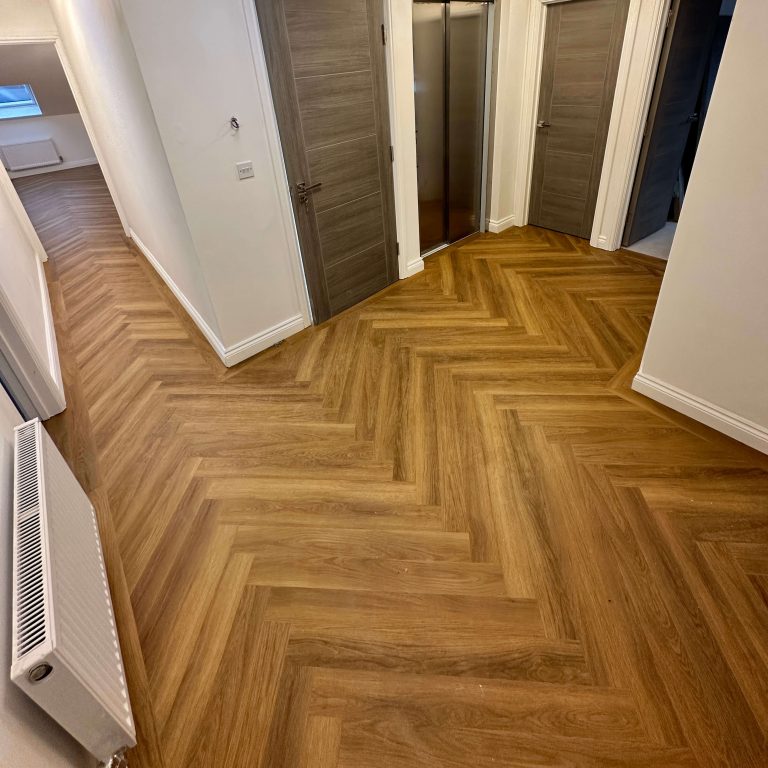
When planning a flooring upgrade, one of the first questions homeowners ask is which type of flooring will best balance style, durability, and cost. This often turns into the question “what is vinyl tile flooring?” LVT is especially suitable for various rooms in the house, including kitchens, dining rooms, living rooms, and bathrooms, due to its water resistance, warmth, and low maintenance.
With so many choices available, from carpet floors to hardwood floors and laminate floors to tile floors, the decision can feel overwhelming. A standout option in recent years has been Luxury Vinyl Tile. If you have been wondering what is LVT flooring, what it is made of, how it is installed, and whether it really is worth it compared to other flooring options, this guide will provide you with all the information you need before making a decision.
What is Vinyl Tile Flooring?
Unlike traditional sheet vinyl flooring, LVT comes in separate tiles or planks, which makes it look much more authentic once laid. Each piece has been designed with a realistic photographic layer that provides an authentic look, giving it the appearance of natural textures such as stone or ceramic tiles or hardwood planks, while offering the added benefit of being far more practical and versatile in the home.
The reason for LVT’s growing popularity is that it combines aesthetic appeal with everyday functionality. Where hardwood might warp in damp conditions or ceramic tiles may feel cold underfoot, LVT provides a stylish, durable, and comfortable alternative. It has become the go-to flooring choice for kitchens, bathrooms, living rooms, and even commercial spaces where both appearance and durability matter.
What is LVT Flooring Made Of?
If you are asking yourself what is LVT flooring made of, the answer lies in its clever multi-layered construction. LVT is manufactured using high quality materials, including multiple layers such as PVC vinyl, resin, stabilisers, and protective coatings. Each tile or plank is built from several layers that work together to create a surface that is both tough and attractive.
At the top, there is a transparent top layer that resists scratches, scuffs, and general wear and tear. Beneath this is the design layer, where a high-resolution photographic print gives the flooring its wood, stone, or tile effect. Below this sits the core layer, a dense vinyl material that adds strength, stability, and comfort underfoot. Finally, a backing layer provides additional resilience and helps the flooring stay firmly in place.
This layered composition ensures that LVT is not only visually appealing but also robust enough to cope with heavy use in busy households. For added durability, LVT with a thicker wear layer is ideal for high-traffic areas or homes with children and pets, as it provides enhanced resistance to scratches, stains, and dents. Unlike natural wood, which can swell or shrink depending on humidity, or stone, which can chip and crack, LVT remains stable and reliable in different environments.
Is LVT Flooring Good Compared to Alternatives?
A common question from homeowners is “is LVT flooring good compared to other choices like solid wood, laminate, carpet, or ceramic tile?” The simple answer is “yes”. LVT offers the beauty of traditional flooring materials with added benefits that make it particularly well suited to modern living.
Compared to hardwood, LVT is more affordable, resistant to moisture, and requires far less maintenance. When compared to laminate flooring, which is typically a floating floor made from high-density fibreboard (HDF) and often requires an underlay, LVT stands out for its superior water resistance and suitability for wet areas. Laminate floors are generally thicker than LVT but are less water-resistant, making thickness a key difference between the two. In comparison to ceramic tiles, LVT is warmer and softer underfoot, which makes it more comfortable to walk on during colder months. And unlike carpet, which can quickly stain or wear thin in high-traffic areas, LVT is much easier to clean, stain resistant, and built to withstand years of use.
These comparisons highlight why so many homeowners now opt for LVT when looking for a balance of style and practicality. It allows you to enjoy the visual benefits of premium materials without having to deal with their common drawbacks.
The Benefits of Choosing LVT Flooring
One of the greatest strengths of LVT is its versatility. It is available in an extensive range of colours, patterns, finishes, and styles, so whether you prefer the rustic charm of oak planks, the sleek look of polished stone, or the timeless style of ceramic tiles, there will be an LVT option to match. You can also explore different styles like wood effect LVT, parquet LVT, Herringbone LVT flooring, as well as ranges including Amtico and Karndean, each offering unique designs and features to suit a variety of tastes and interior themes.
Another major advantage is durability. Thanks to its protective wear layer, LVT is highly resistant to scratches, dents, and everyday damage, making it particularly popular in households with children and pets. LVT is also compatible with underfloor heating, providing a warm and comfortable surface throughout the year. It is water resistant, which means it is well suited for bathrooms and kitchens where spills are common. Unlike many natural materials, it does not require polishing, sealing, or complicated upkeep, a simple sweep and mop are usually enough to keep it looking fresh. LVT resists stains, making it easy to maintain and ideal for busy households.
Comfort is also a consideration. Many people find that natural stone tiles or traditional vinyl flooring can feel hard and unwelcoming underfoot, whereas LVT offers a softer and warmer surface. This makes it much more pleasant to walk on, especially in rooms where you spend a lot of time standing.
Finally, affordability plays a key role. While solid hardwood or natural stone flooring may be aspirational choices, they often come with a high price tag and significant maintenance requirements. LVT provides a more cost-effective alternative that still delivers on style, durability, and practicality.
How to Fit LVT Flooring
If you are researching how to fit LVT flooring, you will discover that there are a couple of different methods depending on the product you choose. One of the most popular is the click-lock system, where planks or tiles are designed to click into place, creating a floating floor that requires no adhesive. This method is quick and straightforward, making it appealing to those who want a cleaner installation and an easy way to install LVT.
The other option is the glue-down method, where each tile or plank is adhered directly to the subfloor with a special adhesive. When LVT is installed using this method, the process involves carefully preparing the subfloor, applying the adhesive, and installing each tile or plank for a secure and long-lasting result, particularly suitable for larger spaces or commercial areas.
Whichever method you select, preparation is essential. The subfloor must be clean, level, and completely dry to ensure the LVT sits correctly and lasts over time. While some homeowners with DIY experience may attempt installation themselves, professional fitting is strongly recommended. Our expert installers at ACG Bespoke Flooring have the tools and experience to guarantee a perfect finish, avoiding issues such as uneven joins or lifting edges, which can affect both the look and longevity of the flooring.
Why Have LVT Flooring in Your Home?
Choosing new flooring is a major decision, and it is important to select an option that not only looks good but also performs well over time. LVT has proven itself to be one of the most reliable and stylish choices available. Its realistic design options mean you can enjoy the look of wood, stone, or tile without the drawbacks of those materials. Its durability ensures it can cope with the demands of everyday life, and its comfort underfoot makes it ideal for family homes. Additionally, LVT floors can absorb sound, helping to create a quieter and more peaceful home environment.
When weighing up all the options, the question isn’t just “is LVT flooring good?” But whether it is the right solution for your lifestyle. For most households, the combination of affordability, low maintenance, and high-quality appearance makes LVT floors a smart investment that adds both practicality and value to the home.
Expert LVT Flooring Installation in Harlow, Hertfordshire, and London
If you are considering changing your flooring, now is the perfect time to explore the possibilities that LVT has to offer. At ACG Bespoke Flooring, we specialise in providing high-quality LVT flooring along with professional installation that ensures a flawless result. Whether you are based in Harlow, across Hertfordshire, or in London, our experienced team can help you choose the perfect style and handle every step of fitting so your flooring not only looks fantastic but also lasts for years to come.Transform your home with the timeless style and practical benefits of LVT. Contact us at ACG today to find out more on “what is lvt flooring” and to arrange expert advice, supply, and installation that will elevate your interior design.