
When it comes to choosing new flooring, homeowners are often faced with a familiar debate: should you go for vinyl vs laminate flooring? Both options are popular because they deliver attractive finishes and remain more affordable than natural hardwood or stone, but the two materials perform very differently in everyday use.
At ACG Bespoke Flooring, we specialise in helping customers across Harlow, Hertfordshire, and London choose the right flooring for their homes, and we supply premium LVT flooring from leading brands such as Amtico and Karndean. Stick with us and we’ll take a closer look at LVT vs laminate, compare their pros and cons, and highlight why LVT has become the superior choice for kitchens, bathrooms, and living spaces.
What is Laminate Flooring?
Laminate flooring has been a favourite among homeowners for decades. It is made from compressed fibreboard with a photographic image layer on top, designed to replicate the look of natural materials such as wood or tile. The core of laminate flooring is typically made from high density fibreboard, a strong and cost-effective material produced by pressing recycled wood pulp. This design layer is protected by a clear wear layer that helps resist scratches and scuffs. The top layer of laminated flooring is designed to resist stains and heat, but can be vulnerable to high temperatures.
Laminate gained popularity largely due to its affordability and the ease with which it can be fitted, often as a floating floor over underlay. The cost of laminate flooring and installation is generally lower than that of LVT, making laminate an affordable option for homeowners.
However, laminate comes with certain limitations. It is not fully water-resistant, which means it can warp or swell if exposed to moisture. For this reason, it is less suitable for bathrooms and kitchens where spills, steam, and splashes are inevitable.
Laminate pros include:
- Realistic appearance
- Eco-friendliness due to the use of recycled materials
- Ease of installation
What is LVT Flooring?
LVT, short for Luxury Vinyl Tile, is a more modern flooring option that has grown rapidly in popularity due to its durability and versatility. It is constructed from multiple layers of PVC vinyl that are compressed to form a strong yet flexible product. The base layer of vinyl flooring is typically made from multiple layers of PVC or fiberglass, providing stability and durability. The surface layer features a high-resolution photographic print that replicates natural materials with remarkable accuracy, while the top wear layer provides resilience against scratches, stains, and everyday wear.
One of the main advantages when looking at vinyl vs laminate flooring is that LVT is fully water-resistant. Unlike laminate, it can be installed throughout your home including in kitchens, bathrooms, and hallways without the risk of swelling or warping. It is also warmer and more comfortable underfoot, making it pleasant to walk on, and its sound-absorbing properties make it a quieter option than laminate. For households with children or pets, this extra comfort and resilience can make a noticeable difference.
LVT pros include:
- Durable and versatile
- Water-resistant
- Warmer and more comfortable underfoot than alternatives
- Sound-absorbing
LVT vs Laminate Flooring: The Real Differences
When you weigh up the options of vinyl or laminate flooring, it’s important to understand the major differences between these options, including their materials, installation methods, and water resistance. Before choosing between vinyl or laminate flooring, assess your existing floor, factors like thickness, waterproofing, and softness can affect which type is most suitable for installation.
Laminate flooring and vinyl flooring each have their place but are designed for different needs. Laminate remains an attractive choice for those who want a low-cost solution for spaces such as bedrooms or living rooms where water exposure is minimal. It offers a decent level of scratch resistance and comes in a variety of designs. However, its lack of water resistance and shorter lifespan can be drawbacks.
LVT and laminate flooring respond differently to high traffic and the presence of furniture, LVT is more resistant to dents and scratches from furniture, making it ideal for busy households. It not only looks incredibly realistic but also stands up to the challenges of modern living, from heavy foot traffic to moisture-rich environments. LVT is especially well-suited for high traffic and moisture-prone areas like kitchens and bathrooms, while laminate may be better for low-moisture rooms. It requires minimal maintenance, can be cleaned easily with a mop or hoover, and retains its appearance for many years. While it may involve a slightly higher initial investment compared to laminate, the long-term value of LVT more than makes up for it.
Cost and Installation of Vinyl vs Laminate Flooring: What to Expect
When planning your next project, understanding the cost of laminate flooring and installation in comparison to the cost of LVT is essential. Laminate flooring is often seen as the more budget-friendly option, with laminate cost per square foot typically lower than luxury vinyl flooring. This makes laminate a popular choice for those looking to refresh their space with cost effective materials. However, LVT flooring is competitively priced as well, especially when you consider its long-term durability and water resistance.
Both laminate and LVT flooring are available in a range of styles and thicknesses, which can affect the overall price. While both types of flooring can be installed as floating floors, the installation process for LVT may require a bit more expertise, particularly for glue-down or click-lock systems. DIY enthusiasts may find installing laminate flooring straightforward, as the planks often click together easily over an underlay. For LVT, especially plank or tile vinyl flooring, professional installation can ensure the flooring material is fitted correctly and lasts for years.
Don’t forget to factor in the cost of underlay, which is crucial for both laminate and LVT installations. Underlay not only adds comfort underfoot but also helps with soundproofing and moisture protection. By considering the type of flooring material, cost of laminate flooring and installation you can make an informed decision that fits your budget and lifestyle.
Everyday Use LVT vs Laminate: Durability, Stain Resistance & Appearance
When it comes to everyday use, both laminate flooring and LVT flooring are designed to handle the demands of busy households. Laminate floors are known for their scratch resistance and ability to withstand heavy foot traffic, making them a solid choice for living rooms and bedrooms. However, LVT flooring takes durability a step further, offering superior water resistance and resilience in high moisture areas like kitchens and bathrooms.
In terms of stain resistance, both laminate and LVT are easy to keep clean with simple dry methods such as sweeping or using a dry mop. With its multiple layers and tough wear surface, LVT is particularly effective at resisting stains and spills, making it ideal for families with children or pets. When it comes to appearance, both laminate and LVT can mimic the look of real wood, but LVT often features more realistic textures and patterns, giving your home a high-end look without the maintenance of solid wood.
To keep your flooring looking its best, avoid harsh chemicals and stick to gentle cleaning routines. Whether you choose vinyl or laminate flooring, you’ll enjoy a beautiful, practical floor that stands up to everyday use.
Floating Floor and Underlay: Comfort Underfoot
A floating floor installation is a popular choice for both laminate and vinyl flooring, offering flexibility and ease of fitting. With this method, the planks are not glued or nailed to the subfloor, allowing the floor to expand and contract naturally with temperature changes. This makes floating floors an excellent option for a variety of spaces.
Underlay plays a crucial role in the comfort and performance of your new floor. For both laminate and LVT flooring, a quality underlay can provide thermal insulation, making floors warmer underfoot, and can also act as a soundproof underlay to reduce noise between rooms. There are different types of underlay available, including thermal underlay for added warmth and damp proof underlay for moisture protection. Choosing the right underlay for your flooring type ensures a comfortable, quiet, and long-lasting result.
Whether you’re installing vinyl or laminate flooring, investing in the right underlay will enhance the feel and function of your floors, making your home more comfortable and inviting.
Heat Resistance and Comfort in Your Home
If you’re considering underfloor heating for your home, both laminate flooring and LVT flooring are compatible options. However, LVT flooring is particularly well-suited to environments with underfloor heating, as it can withstand higher temperatures without warping or losing its shape. This makes vinyl flooring a reliable choice for maintaining comfort in your home, even during constant temperature changes.
Laminate flooring can also be used with underfloor heating, but it’s important to select a product specifically designed for this purpose and to follow the manufacturer’s guidelines for installation. Some laminate floors may be more sensitive to heat, leading to expansion or contraction if not installed correctly. By choosing the right flooring type and ensuring proper installation, you can enjoy a warm, comfortable floor throughout the year.
Water Resistance: LVT Flooring for Kitchens and Bathrooms
When it comes to water resistance, LVT flooring stands out as the superior choice for kitchens and bathrooms. Unlike laminate flooring, which can be damaged by prolonged exposure to moisture, luxury vinyl flooring is designed to handle high humidity and frequent spills without warping or swelling. This makes it an ideal flooring solution for areas where water is a constant presence.
To get the most out of your LVT flooring in moisture-prone spaces, it’s important to ensure the subfloor is level and dry before installation. Proper installation is key to preventing water from seeping underneath the planks, which could compromise the integrity of the floor. By choosing LVT and having it installed by our experts at ACG, you can enjoy a stylish, water-resistant floor that maintains its beauty and performance for years to come.
Why LVT Wins The Battle of Vinyl vs Laminate Flooring
At ACG Bespoke Flooring, we often see customers weighing up LVT vs laminate, and more often than not, the advantages of LVT tip the balance. Unlike laminate, LVT is 100% water-resistant, making it ideal for bathrooms and kitchens where spills are inevitable. It is also far more durable, capable of withstanding the demands of busy family life without losing its finish. The softer feel underfoot and compatibility with underfloor heating systems further enhance its appeal, especially for modern homes.
The main difference is that while laminate may appear to be the cheaper option upfront, its shorter lifespan and susceptibility to water damage often mean additional costs in the long run. Luxury vinyl flooring, by contrast, offers resilience and style that lasts for decades, which makes it a far more cost-effective investment over time.
Types of LVT Flooring Available at ACG Bespoke Flooring
One of the standout features of luxury vinyl tiles (LVT) is the sheer variety of styles available. At ACG, we supply and install a wide range of options from renowned brands such as Amtico and Karndean, ensuring that our customers can find the perfect fit for their interiors.
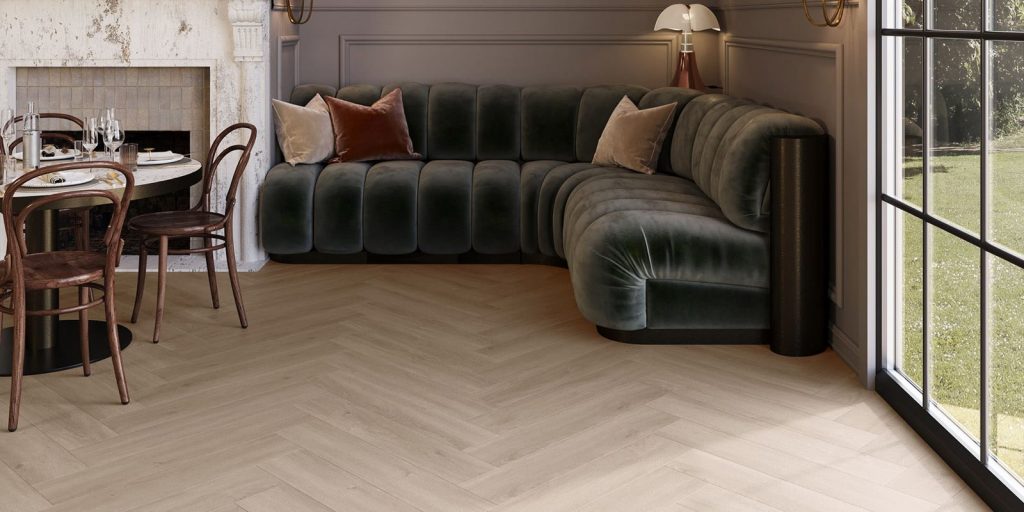
For those seeking a natural look, wood effect LVT flooring replicates the charm of hardwood with realistic textures, bringing warmth and character to living rooms and bedrooms. If you prefer a more traditional feel, parquet LVT flooring delivers timeless elegance, making it ideal for hallways or formal dining spaces. Meanwhile, herringbone LVT flooring offers a modern take on a classic design, creating a striking focal point in any room. Whether you are updating a single room or renovating your entire home, these design options allow you to achieve a tailored finish that perfectly matches your style.
Why Choose ACG Bespoke Flooring
Based in Harlow and serving customers across Hertfordshire and London, ACG Bespoke Flooring is dedicated to delivering expert flooring solutions tailored to your needs. Our team specialises in the professional installation of premium vinyl flooring. We partner with trusted flooring suppliers to offer a wide range of quality products, design options, and guarantees.
By choosing us for your LVT flooring needs, you benefit from not only a wide range of styles and finishes to choose from, but also the reassurance that your new flooring will be installed with precision and care, ensuring it stands the test of time. If you are considering upgrading your flooring in Harlow, Hertfordshire, or London, contact ACG today and we’ll help you transform your home with flooring that is as practical as it is beautiful.